Roof repair in Colleyville
A damaged shingle or failed roof detail doesn’t automatically mean a whole new roof. A free inspection helps establish what can be repaired and where the work needs to stop.
Free roof inspections for Colleyville homes and buildings.
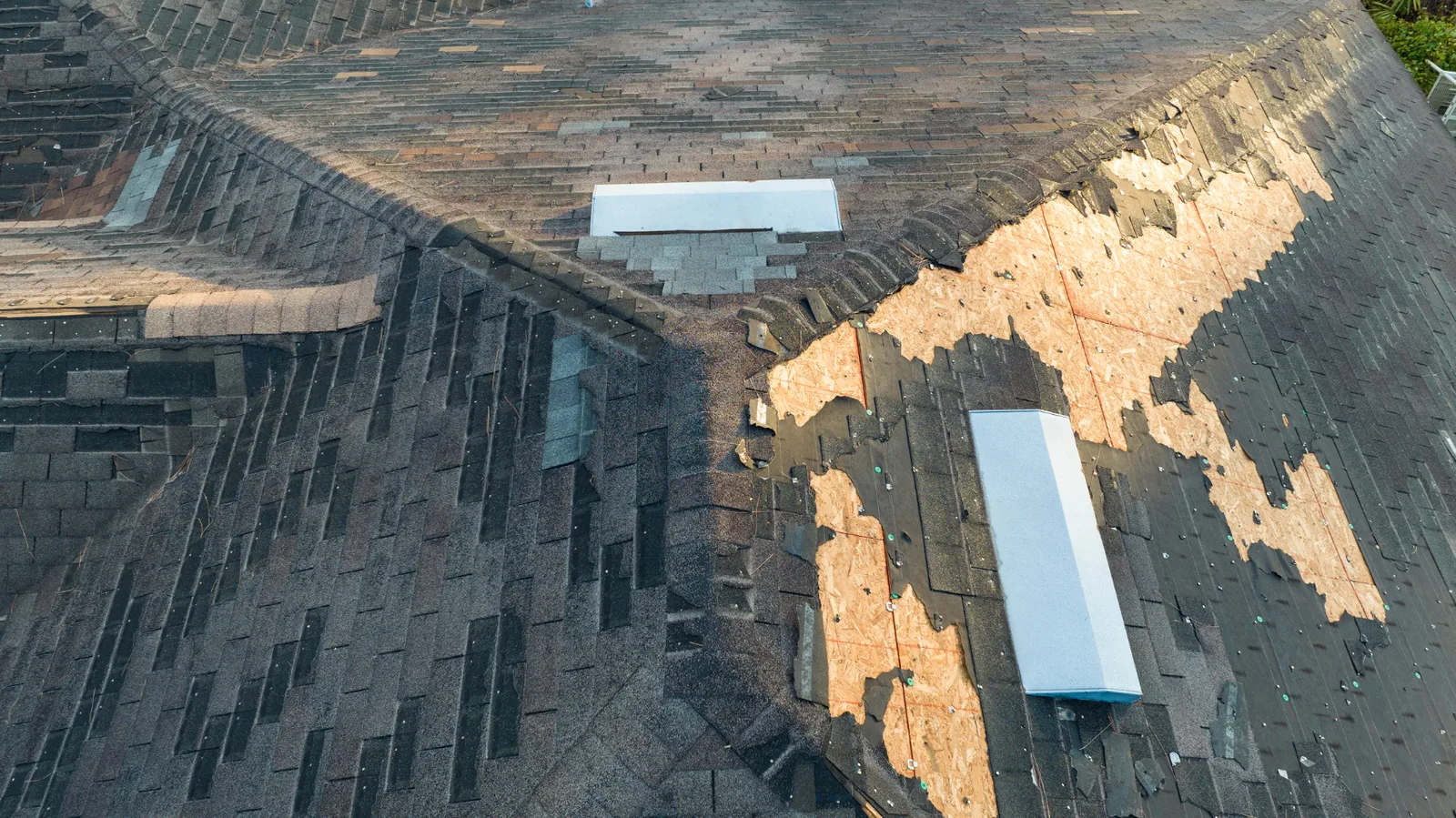
Colleyville roof repairs start at the damaged detail
A roof repair has two jobs: correct the opening that lets water in and connect the new work to material that can still shed rain. A patch over the visible spot does not always accomplish both.
At a plumbing vent, a cracked rubber seal can leave a gap around the pipe. At a wall or chimney, loose metal flashing interrupts the overlap that directs water back onto the roof. A missing field shingle exposes a different part of the assembly. Each problem needs its own detail, not the same bead of sealant.
For a Colleyville roof repair, the inspection looks at the failed part and what surrounds it. Shingles that crack when lifted can widen an otherwise small job. Soft decking beneath a leak adds work below the surface. Neither condition can be judged from the ceiling stain alone.
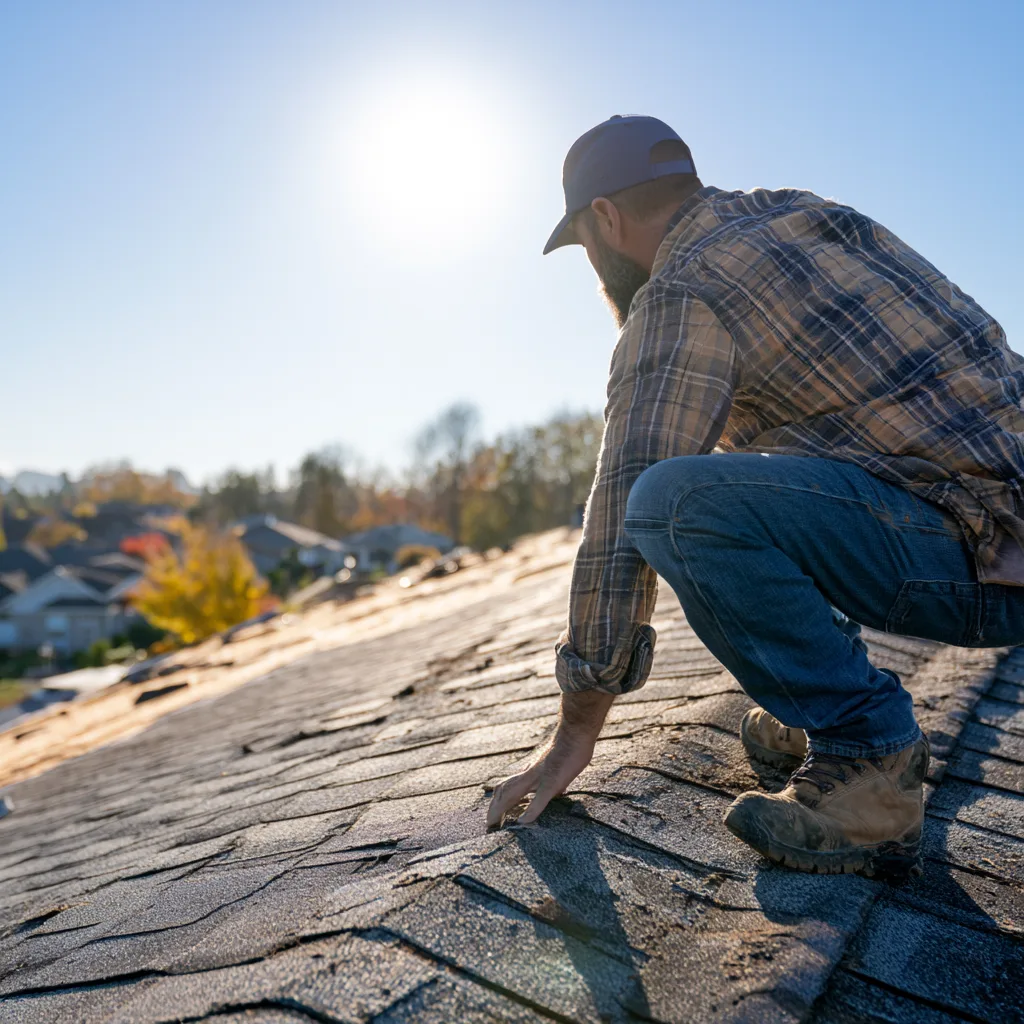
Common roof repairs on Colleyville homes
Roof repairs come in a few recognizable kinds. What they share is that the fix goes under and between the shingles. Sealant smeared on the surface is a short-term cover.
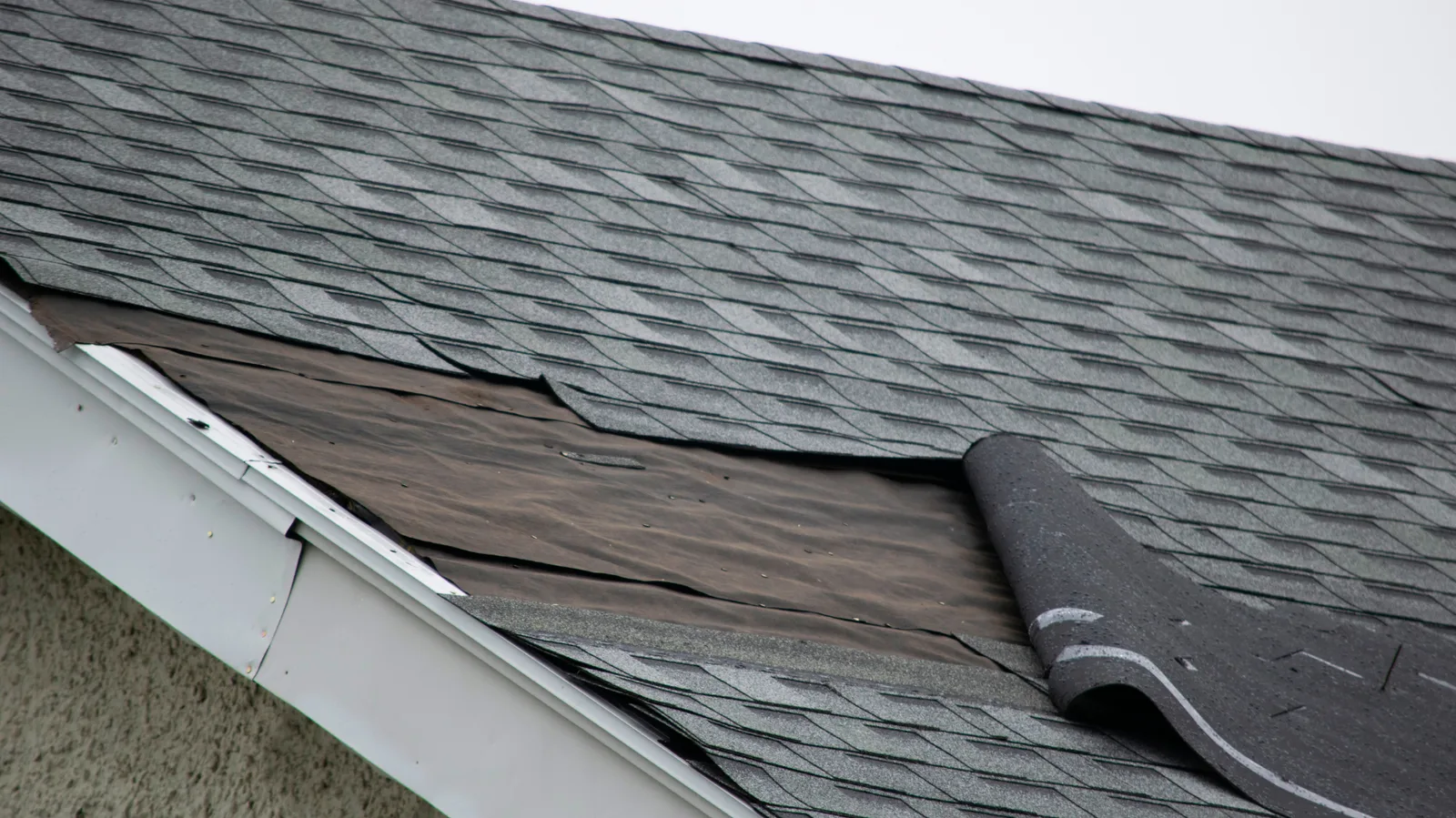
- Missing, creased or torn shingles
Wind breaks the seal strip, lifts the tab and folds it back. A creased shingle has a cracked mat even if it lies flat again. The damaged shingles come out by lifting the course above and pulling the nails. New shingles slide in, get nailed in the right zone, and the tabs that were lifted to get there are resealed.
- Pipe boots and roof vents
The rubber collar around a plumbing vent dries out and splits in the sun, often while the shingles still have plenty of life. Replacing it means removing the shingles around the pipe, setting a new boot with its flange under the uphill courses and over the downhill ones, and relaying the shingles. Box vents and exhaust caps are flashed the same way.
- Flashing at walls and chimneys
Where a slope meets a wall, each shingle course gets its own L-shaped piece of step flashing, tucked behind the siding or counter-flashing. When pieces rust, slip or were never there, water runs behind the shingles. The repair opens the courses along the wall, replaces the metal piece by piece and closes it back up. On brick, the counter-flashing set in the mortar joint may need resetting too.
- Valleys
A valley carries the runoff from two slopes, so a small flaw there sees a lot of water. Repair means opening shingles on both sides, replacing the valley metal or the liner underneath, and relaying both sides so the cut edges shed water into the valley and not under it.
- Nail pops and exposed fasteners
A nail that backs out lifts the shingle above it and can wear a hole through it. The fix is pulling the nail, renailing beside it and replacing the shingle if it has been punctured. Exposed nail heads on ridge caps and vents get sealed.
- Decking under a long leak
Wood that has been wet for a while goes soft and won’t hold nails. Once the shingles are up, soft decking gets cut back to the nearest rafters and replaced at matching thickness so the new shingles sit flat. How far that goes can’t be seen until the area is open.
How a roof repair is carried out in Colleyville
A repair follows the same order whether it takes an hour or most of a day.
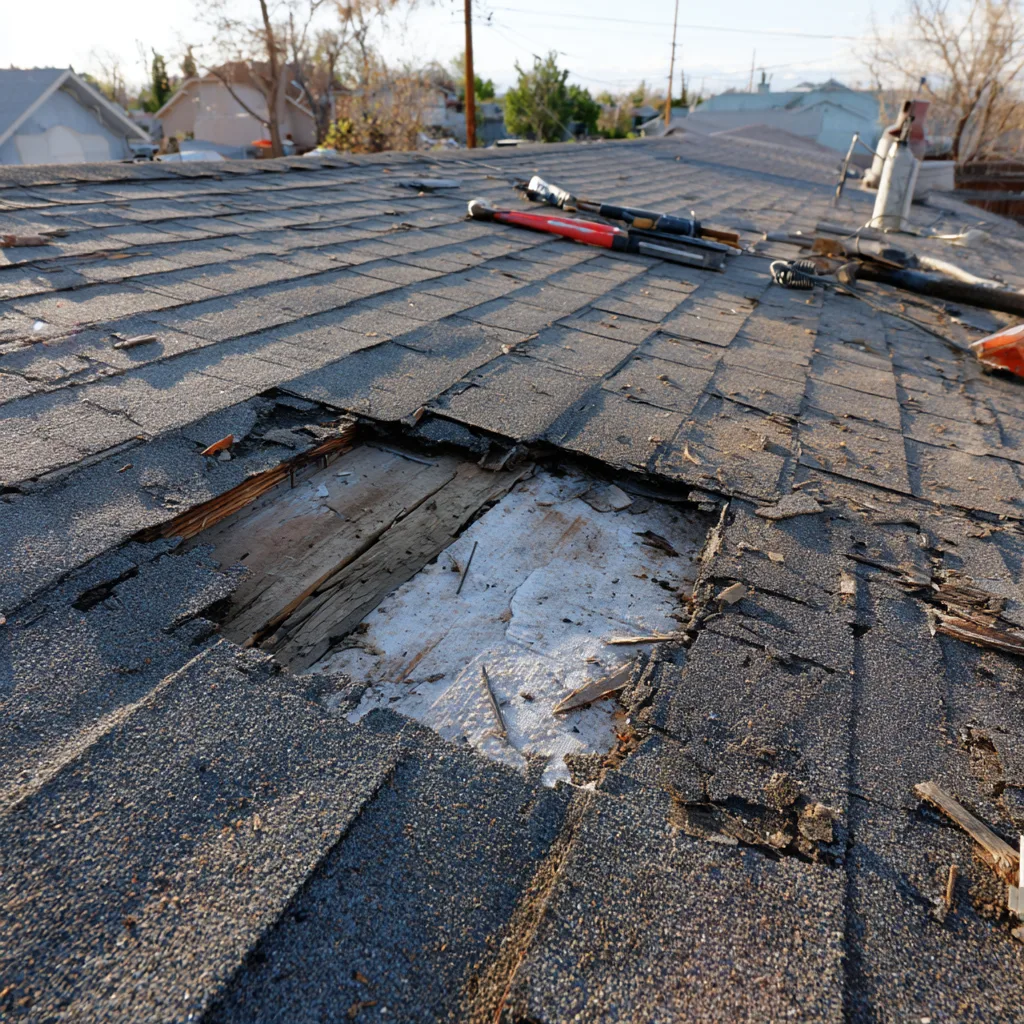
Find where the water gets in
The roofer starts from what you noticed and works uphill, checking the penetrations, flashing and valleys above the stain. The opening can be higher on the roof than the ceiling mark suggests.
Check the shingles around it
Before anything is pulled, the surrounding shingles get lifted gently. If they flex, new work can be woven in. If they crack, the repair area has to grow until it reaches shingles that can take it.
Open the area
Shingles come off in courses, from the top down, far enough to expose the failed part and the underlayment around it. This is when the decking can finally be seen and pressed on.
Fix what’s underneath
Soft decking gets replaced. Underlayment is patched so it laps over the layer below it. New flashing, a boot or valley metal goes in before any shingle does.
Rebuild the surface
New shingles go on from the bottom up, each course overlapping the one below, nailed and sealed to the existing roof. A finished repair sheds water the same way the rest of the slope does.
What can’t be known ahead of time is the condition of the wood and underlayment under the damaged spot. A small leak that ran for a season can mean more decking work than a big one caught the same week.
When the ceiling stain is away from the opening
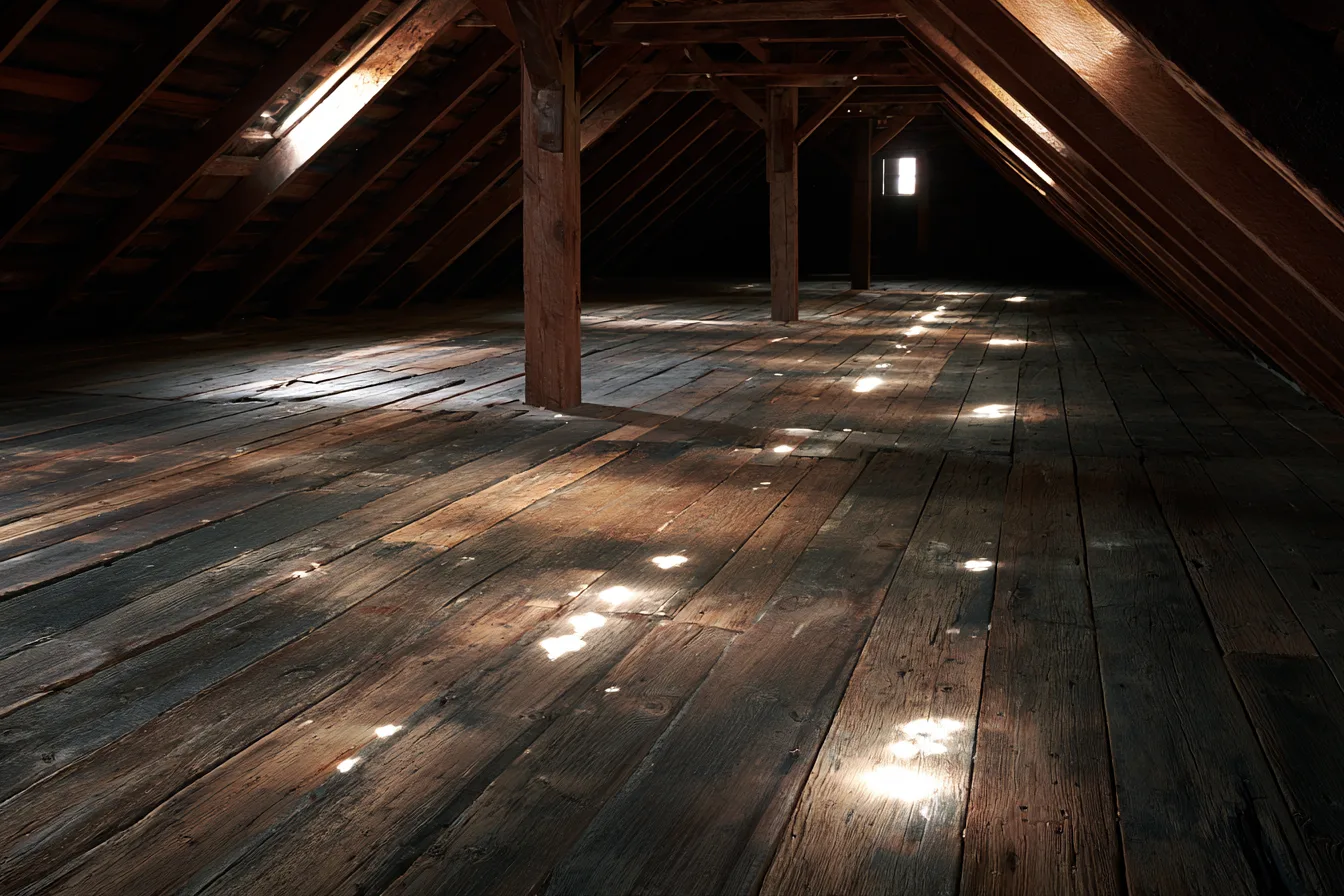
Water can enter beside a roof vent, follow the underside of the decking or a framing member, then show up in another part of the ceiling. Repairing directly above the stain without tracing that path can leave the original opening untouched.
Tell us the room and roughly when you first noticed water. If it appeared during wind-driven rain, include that detail. Stay off the roof, and keep clear of wet electrical fixtures or a ceiling that is sagging. Immediate danger needs emergency help.
The roof leak repair page explains how a leak gets traced from the stain back to its source.
How much of a Colleyville roof needs repair?
The useful repair boundary is where the new detail can join material that remains sound. These are different scopes, with different reasons for choosing them.
- Repair a detail
A pipe boot, a short flashing section or a few damaged shingles can be replaced when the adjacent covering can be lifted and rejoined. The water-shedding overlaps have to continue through the repair.
- Rework a roof area
A valley collects water from two slopes. Repair there can require lifting shingles along both sides so the underlying channel and laps are restored. The visible damage can be smaller than the area that needs opening.
- Consider broader replacement
If brittle shingles or deterioration continue well beyond the immediate repair, local work has fewer sound places to tie in. Replacement can address that wider condition and its underlying layers in one project.
A wider repair and a whole-roof replacement are different decisions. The findings should explain why either scope fits.
What changes the cost of roof repair in Colleyville
Two repairs that look alike from the driveway can be very different amounts of work. These are the things that move the number.
The part that failed
A single pipe boot on shingles that still flex. A few courses come up and go back down around one new part.
A run of step flashing along a second-story wall. Every course along the wall is opened, and siding or counter-flashing may have to be loosened to get the metal behind it.
Where it sits
A low, walkable slope over a porch or garage, reachable from one ladder set.
A steep upper slope, or a spot above a lower roof, which takes more setup and safety gear and slows every step.
What’s under it
Dry, solid decking. The repair stays a surface job.
Soft or stained wood that has to be cut out and replaced before roofing goes back on.
The shingles around it
Flexible shingles still made in a close color. New ones weave in and blend after some weather.
Brittle or discontinued shingles. The area grows to reach sound material, and the patch may show from the street.
A free inspection is where that gets sorted out. The price comes from the actual repair, once the roofer has seen the roof.
Colleyville roof repair FAQs
Can a roof leak be repaired without replacing the roof?
Yes, when the source is localized and the material around it can accept a sound repair. A failed flashing detail on an otherwise serviceable roof is different from widespread brittle covering. The inspection establishes that distinction.
Does a repair have to match the existing shingle exactly?
The repair needs compatible roofing and the correct installation detail. Appearance matters too, but sun exposure and product changes can make an exact color match difficult. The condition and availability of the existing product affect the options.
Will a roof repair fix a stain that came back?
Only if the cause is addressed. A recurring stain can mean the earlier opening remains, another entry point exists or water is following a path that was not resolved. The inspection starts with the source, rather than assuming another surface patch is enough.
Does a Colleyville repair need a reroof permit?
Colleyville’s published certificate applies to reroof projects. The requirements for a specific repair depend on its scope. The roofing permit guide explains the city’s reroof process and where its current requirements are published.
Find out whether a roof repair is enough.
Tell us about the damaged area or the water you’ve seen. A free roof inspection helps put a practical scope around the problem.
Call (817) 391-7321