Roofing services in Colleyville
Help with a leak, a planned replacement or the details that connect your roof to the rest of the house. Start with a free roof inspection in Colleyville.
Free roof inspections for Colleyville homes and buildings.

Find roofing help for your Colleyville home
You might know exactly what you want to change. You might only know that water appeared in the hallway. Either is enough to start. Roofing services follow the condition found at the property, so you do not need to choose a repair before asking for help.
A roof connects to walls, gutters, vents and additions. The useful service is the one that addresses the failed connection or the wider covering, while giving the surrounding roof a sound place to join the work.
The work below is grouped the way roof problems show up at a house: one spot that failed, a roof nobody has looked at closely, wear that runs across every slope, and water leaving the roof in the wrong place. Each group links to the page that explains that work in detail.
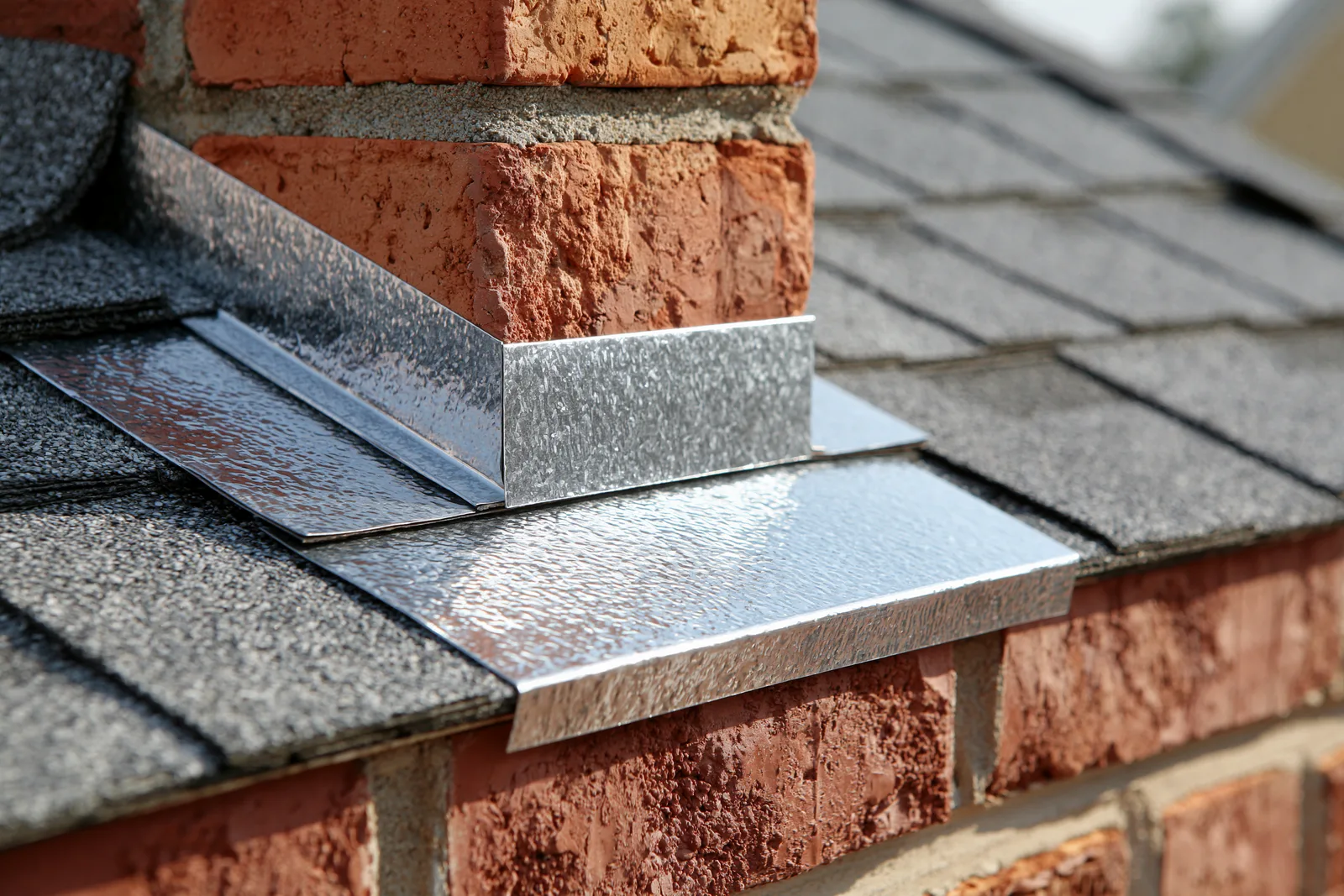
Roofing services for a Colleyville home
Roof work on a house comes down to a handful of situations. Start with the one that sounds like yours.
One spot has failed
A pipe boot splits, a few shingles blow off, the flashing beside a chimney works loose. The rest of the roof can still have years in it. Repair means replacing the failed part and weaving the new work into the shingles around it, so the overlaps that shed rain run straight through the patch.
When water is already showing inside, the first job is finding where it gets in. Water runs along the underside of the deck and down the framing before it drops onto a ceiling, so the stain and the opening can be several feet apart. If water is coming in right now, a temporary cover protects the house until the lasting repair can be done in dry conditions.
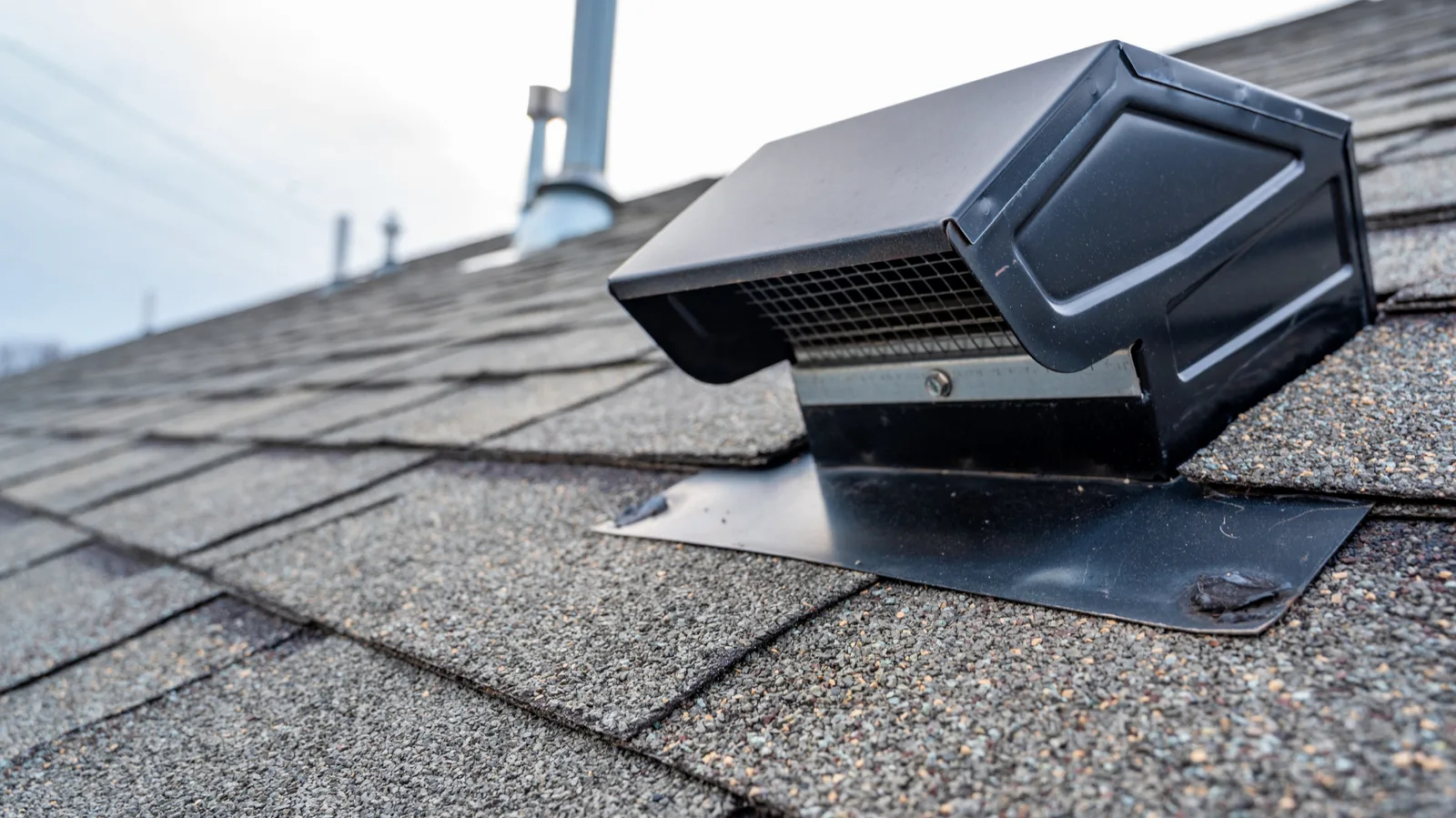
- Roof repairShingles, boots, flashing and valleys, repaired where the surrounding roof is still sound.
- Roof leak repairTracing a ceiling stain back to the opening that feeds it.
- Emergency roof repairActive leaks, temporary protection and the repair that follows.
You’re not sure what the roof needs
A lot of roof questions start without any visible damage. The roof is getting older, a hailstorm came through, a home inspector flagged something, or you’re planning other work on the house.
A free inspection puts a roofer on the roof, where access is safe, to look at the shingles, flashing, vents and edges up close. After hail or high wind, the same walk looks for bruised shingles, creased tabs and dented metal, slope by slope. A storm report for the county says a storm happened. It takes a look at your roof to say what it did there.
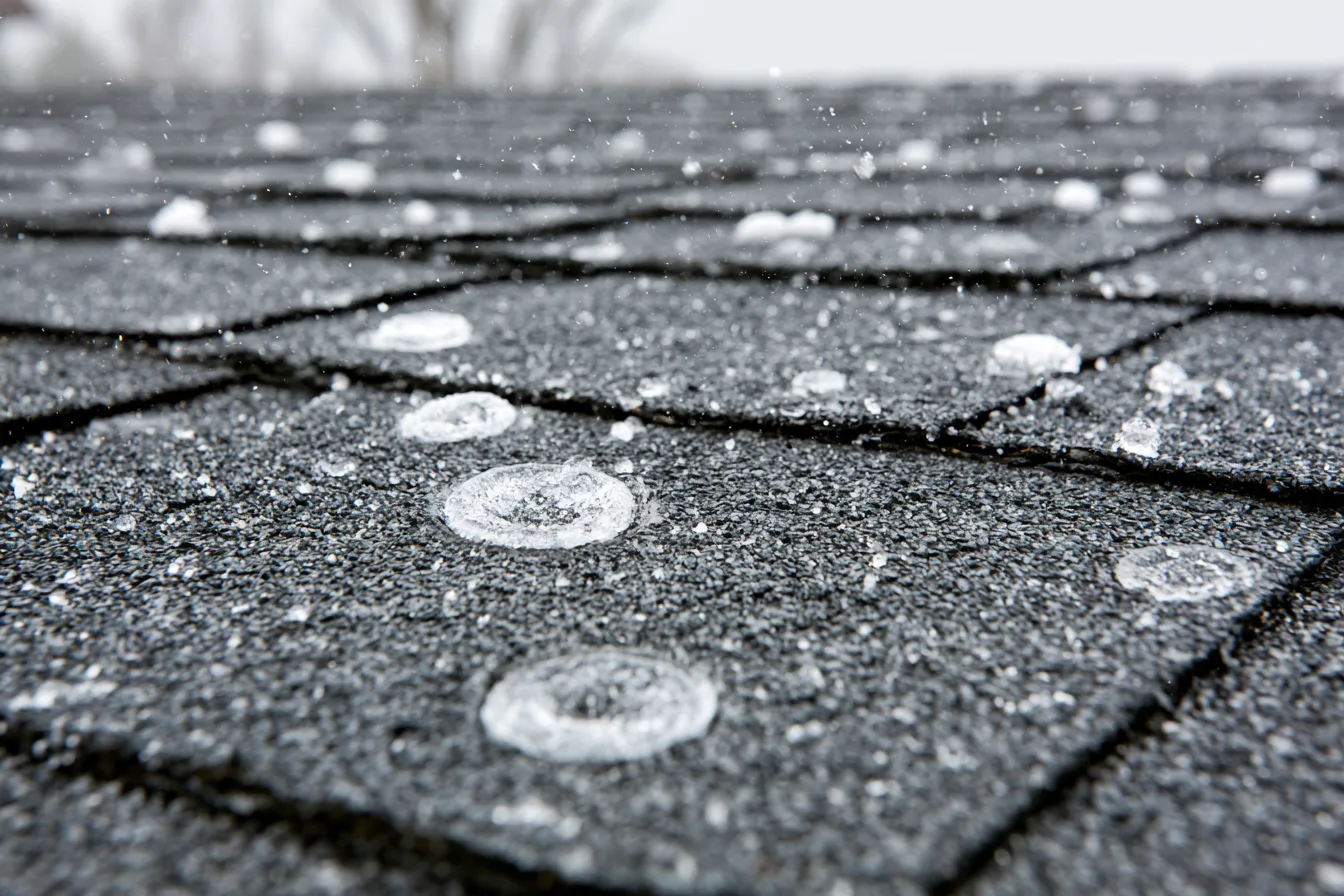
- Free roof inspectionWhat a roofer checks on the roof, and what the visit can settle.
- Storm and hail damageWhat hail and wind do to shingles, and how repair differs from replacement.
The wear runs across the whole roof
When shingles have gone brittle on every slope, a repair has nothing sound to tie into. Each patch cracks the shingles next to it, and the next leak shows up somewhere new. That’s the point where replacement is worth pricing next to another repair.
A replacement takes the roof down to the deck, fixes any soft wood and rebuilds the layers in order: underlayment, edge metal, flashing, shingles or panels, ridge and vents. It’s also when the material decision gets made. Architectural shingles, impact-rated shingles and standing seam metal each change the look, the budget and the details at the edges.
- Roof replacementTear-off, decking, the layers that go back on and what moves the price.
- Shingle typesThree-tab, architectural and designer shingles, and what an impact rating means.
- Metal roofingStanding seam and exposed-fastener panels, and the details that make them work.
Water leaves the roof in the wrong place
Gutters finish the job the shingles start. When a run overflows, a joint drips or water slips behind the gutter, the runoff ends up on fascia boards, siding and the ground beside the foundation.
Gutter work starts at the roof edge, where the drip edge should hand water into the trough, and follows it to the outlet and the downspout. Sometimes that’s a rehung section or a sealed corner. Sometimes the fascia behind it needs repair first.
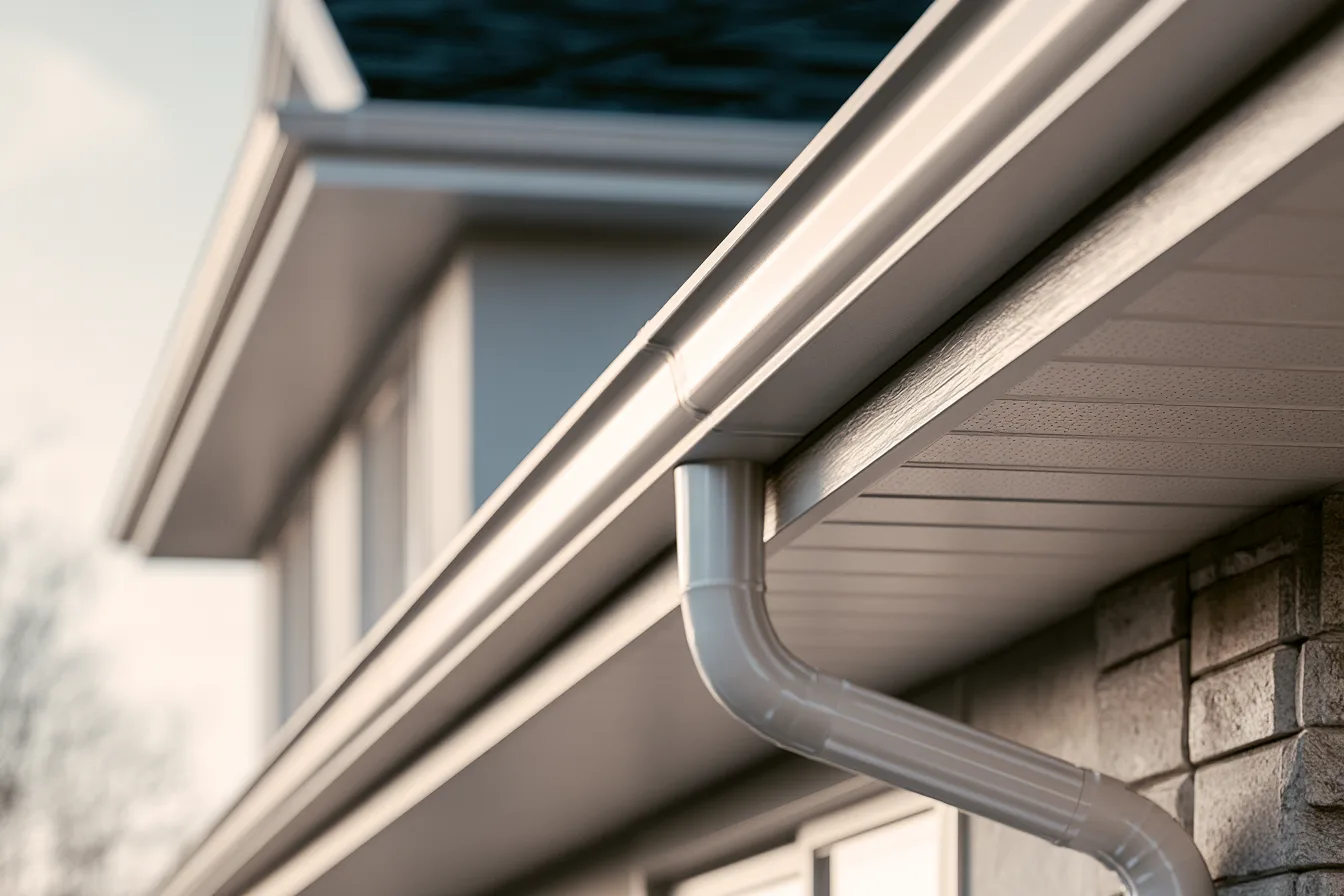
- GuttersOverflow, leaks and sagging runs, from the roof edge to the downspout.
From a Colleyville roof inspection to a scope of work
An inspection is only useful if it turns into a clear description of the work. That description has three parts: what was found, what gets done about it, and what nobody can know until the shingles come up.
Take a plain example. Water shows up on a bathroom ceiling. On the roof, the rubber collar around the plumbing vent has split, and the shingles around it still bend without cracking. The repair is a new boot, woven into the existing courses. The open question is the decking under the old boot. If water has been getting in for a while, the wood there can be soft, and that isn’t visible until the old boot is off.
A replacement works the same way on a bigger scale. The known work is the tear-off, underlayment, flashing, shingles and ventilation. The unknown is how much decking needs replacing once it’s exposed, which is why deck repair is normally priced as its own line, by the sheet or the board.
Example: a stain on the bathroom ceiling
- What you noticed
A brown ring on the ceiling after a long rain.
- What the roof shows
A split rubber collar on the plumbing vent above it. The shingles around it are still flexible.
- Work that’s known
Replace the pipe boot, relay the shingles around it and seal the exposed nail heads.
- What stays in place
The rest of the slope. Nothing about this leak calls for more.
- Known once it’s open
Whether the decking under the old boot is solid, or a section has to be cut out and replaced.
An example to show how findings become a scope of work.
Commercial roofing for Colleyville buildings
A commercial roof asks different questions than a house. A low-slope roof is a membrane interrupted by drains, HVAC curbs, pipes and parapet walls, and leaks start where the membrane stops being a flat sheet: at a seam, a curb corner, a drain or the edge metal.
What’s under the membrane matters as much as the surface. Insulation that has taken on water stays wet under a patch, so a repair has to deal with the wet boards and not only the hole above them. That’s also what decides between the three real options: repair a defined problem, restore a dry and sound roof with a coating, or replace a roof that is wet or failing across wide areas.
For an owner or property manager, the work also has to fit the building: tenants who stay open, rooftop units that keep running, deliveries at the dock and a roof hatch that may be the only way up.
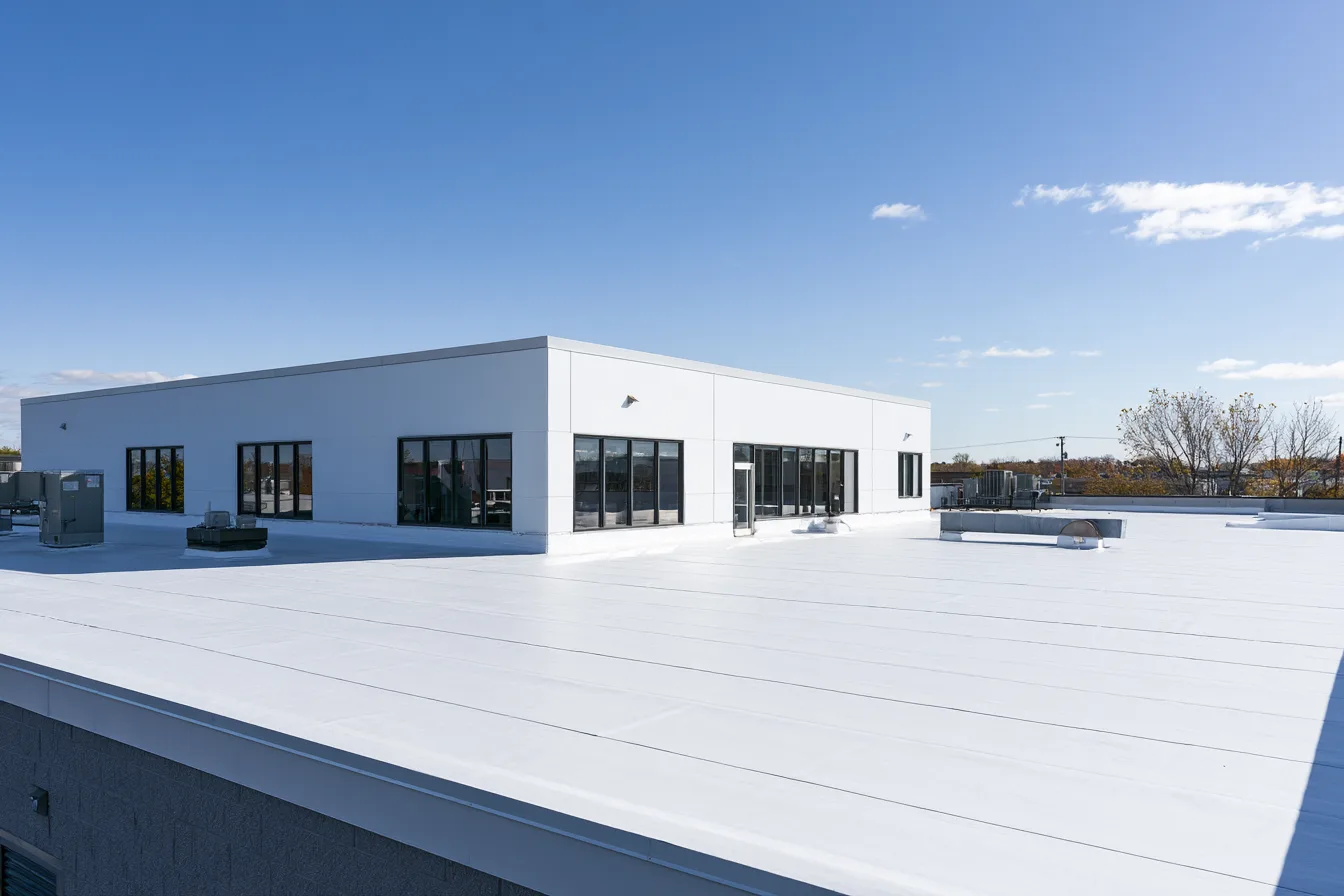
- Commercial roofing servicesRepair, restoration and replacement, and how the choice gets made.
- Flat roof repairSeams, curbs, drains and wet insulation.
- TPO roofingHow the membrane, insulation and attachment go together.
- Roof coatingsWhich roofs qualify, and the preparation that comes first.
- Commercial roof replacementTear-off, recover and working over an occupied building.
Budgets, permits and warranties for Colleyville roof work
Three questions come up on most projects, and each has its own page. The roof cost planner gives a planning range for a replacement by material, using a roof size you enter or an example. It’s for budgeting before anyone has measured the house.
Colleyville requires a permit for a reroof. The roofing permit guide walks through the city’s process and its final inspection. Warranties come in two kinds, one on the product and one on the installation, and the roof warranty guide explains what each covers. If a storm is involved, the roof insurance guide covers deductibles and how replacement cost and actual cash value policies pay.
Start with the question you have.
Tell us what you have noticed or what you want to plan. A free roof inspection can put the question in the context of the actual roof.
Call (817) 391-7321