Commercial roof coatings in Colleyville
A coating can be a useful restoration option when the existing roof qualifies. Start with moisture, adhesion and the details beneath the new surface.
Free roof inspections for Colleyville homes and buildings.
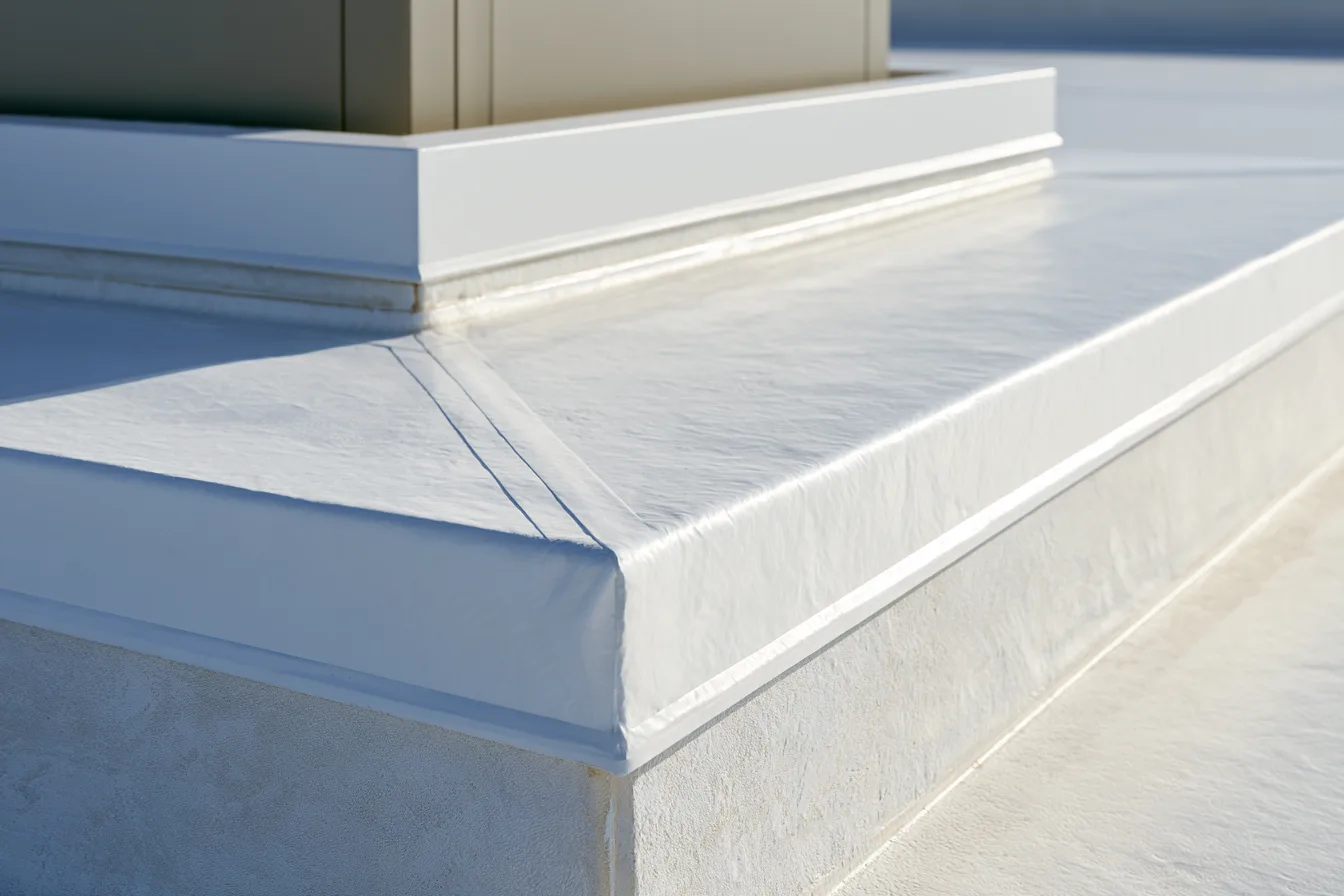
A Colleyville roof coating needs a sound roof underneath
A coating adds a protective surface. It does not rebuild saturated insulation, replace a deteriorated deck or reconnect a failed seam by itself. Those conditions have to be addressed as part of the preparation.
For a commercial roof coating in Colleyville, qualification starts with the existing system and its condition. A compatible product must bond to the prepared substrate. Moisture assessment helps identify areas that should be removed and replaced before restoration proceeds.
GAF’s aged-TPO silicone restoration guidance, for example, calls for roof qualification, moisture identification and adhesion testing before the cleaning and coating stages. It illustrates why a restoration proposal is more than a product name and a gallon count.
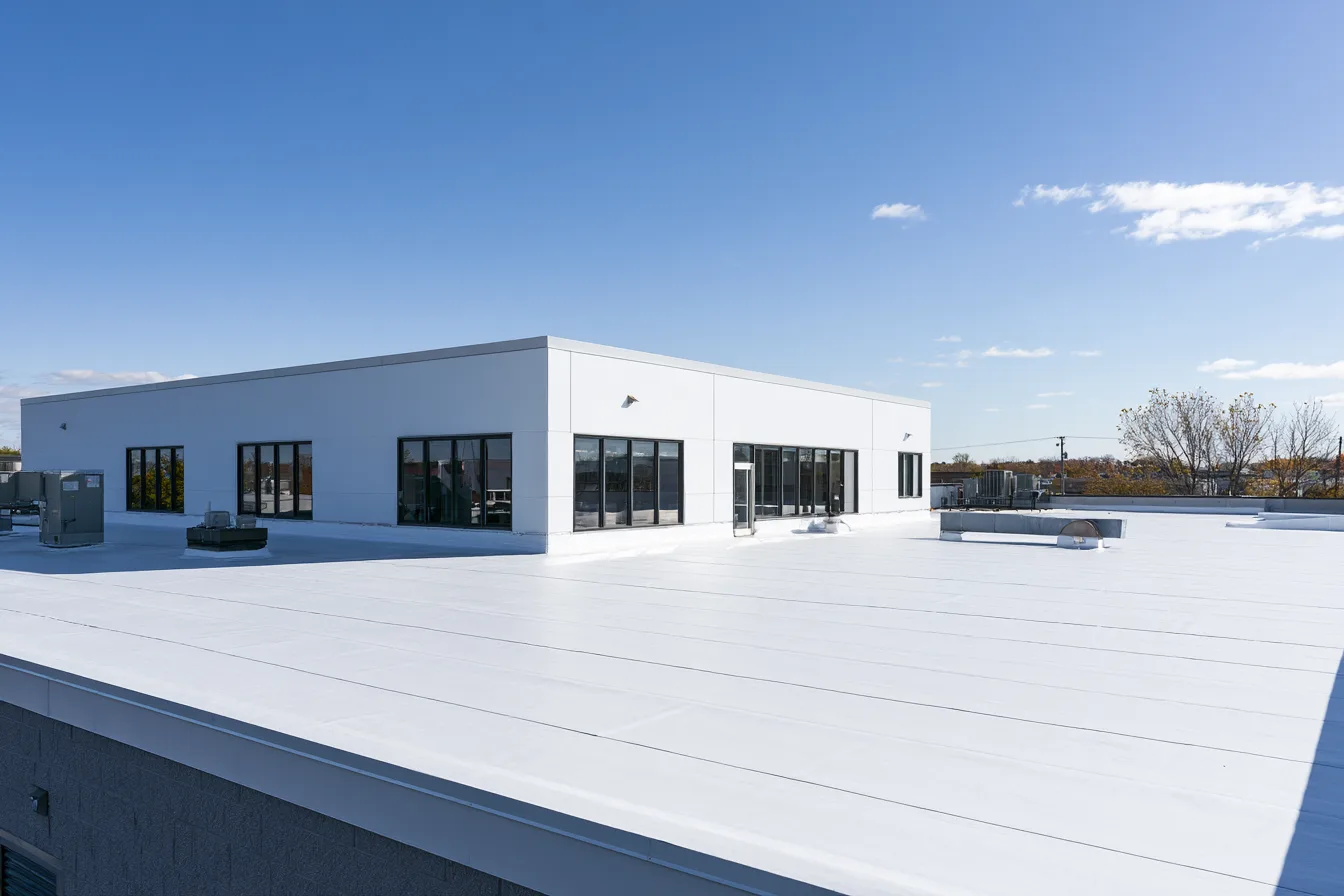
What goes into commercial roof coating preparation
The exact specification depends on the roof and the selected product. The order matters because each stage depends on the condition left by the previous one.
Qualify the assembly
Identify the roof material, its attachment and substrate condition. Moisture findings and adhesion tests help establish whether restoration is suitable and which areas need replacement.
Repair and prepare
Address failed details and unsuitable material, then clean and prepare the surface for the specified product. Seams, penetrations and transitions need the preparation the system requires.
Apply the specified system
The coating build, application conditions and detail treatment follow the product specification. A finished surface needs the required thickness and continuity, not merely a uniform color.
Seams, fasteners and flashings on a Colleyville roof coating project
A coating is only as watertight as what’s under it. Before the field of the roof is coated, the weak points are treated on their own. Seams get reinforced with fabric or a flashing-grade sealant. Fastener heads on metal roofs are tightened or replaced and sealed one at a time. Flashing at curbs, pipes and drains is repaired and detailed.
Wet insulation found during the moisture check is cut out and replaced with dry board and a membrane patch. Then the roof is cleaned, usually by pressure washing, and left to dry, because coating over dirt or damp bonds to the dirt and not the roof.
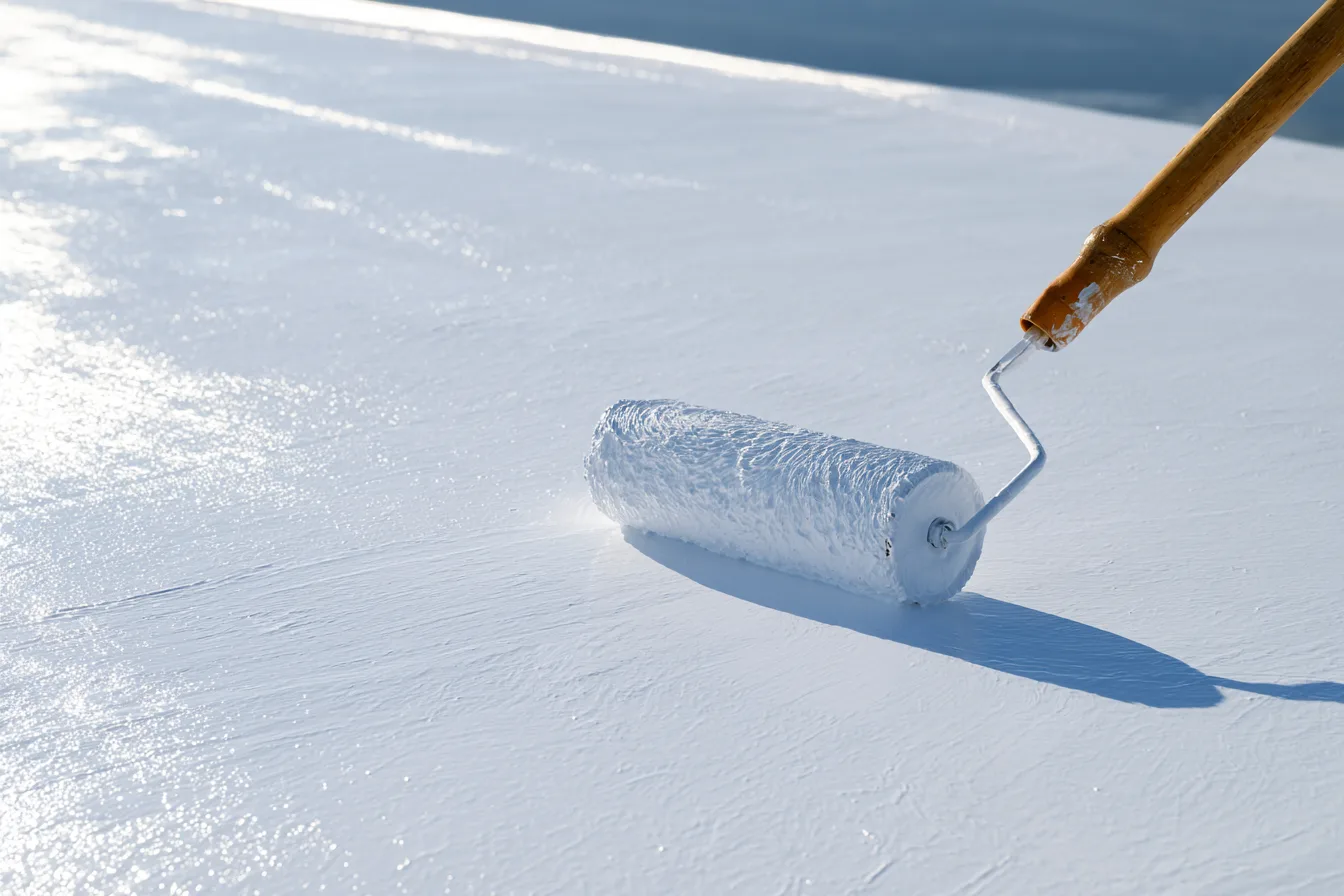
Only then does the field coat go on, in one or more passes, to reach the specified thickness.
Where a coating helps, and where roof repair comes first
- Weathered, compatible surface
A dry, stable roof with serviceable attachment can be considered for restoration. Surface preparation and demonstrated adhesion still matter, even where the roof is not actively leaking.
- Localized wet material
A repairable wet area does not become dry beneath a coating. The affected material needs removal and replacement, with the surrounding roof reassessed before the coating scope is set.
- Widespread assembly problems
Extensive moisture, unstable substrate or unresolved drainage can make a coating the wrong investment. A broader repair or replacement addresses what a thin surface cannot change.
Silicone and acrylic roof coatings for Colleyville buildings
The two common coating families behave differently, and the roof underneath narrows the choice.
- Silicone
Holds up under standing water and strong sun, which is why it’s common on flat roofs that pond. It picks up dirt, it’s slick when wet, and once a roof is coated in silicone, only silicone sticks to it later.
- Acrylic
Water-based, easier to work with and to recoat. It doesn’t tolerate ponding water, so it suits roofs that drain well.
- The roof underneath
Aged TPO, modified bitumen, metal and built-up roofs each take different cleaners and primers. An adhesion test on the actual roof shows whether the coating will bond before anyone commits to it.
- Thickness
Coating is applied to a specified thickness, measured wet as it goes on. Thin spots wear through first. That’s why the application rate matters more than how white the roof looks.
Commercial roof coating costs in Colleyville
- Preparation before application
Cleaning, existing coating removal where required, seam work and repairs affect labor before the new coating is applied. Two roofs of the same size can need very different preparation.
- System and roof geometry
The selected product, specified thickness, curbs, walls and numerous penetrations affect materials and detailing. Access around rooftop equipment changes how the work can proceed.
- Moisture and drainage corrections
Replacement of wet insulation or correction of a drainage condition adds work outside the surface coating. Leaving it unaddressed can undermine the purpose of restoration.
A coating price is meaningful only with the preparation and system scope beside it. Surface repairs, wet material removal and the selected product affect the price; warranty coverage depends on the system and its actual terms.
Colleyville commercial roof coating FAQs
Can a roof coating go over TPO?
Some systems are designed for qualified aged TPO, with product-specific cleaning, preparation and adhesion requirements. That does not make every coating compatible with every TPO roof. The roof and the selected restoration specification have to be evaluated together.
Will a coating fix ponding water?
A coating does not change the roof’s slope or clear a blocked outlet. Product tolerance for standing water is separate from resolving why water remains. Drainage findings should be addressed in the roofing scope.
Does restoration come with a warranty?
Warranty eligibility and terms depend on the product, project, installer requirements and the party offering coverage. Compare the terms for the proposed coating system before choosing the work.
Is a coating suitable if the roof already leaks?
A leak does not answer the question by itself. Its source, the extent of wet material and the remaining assembly condition determine whether repair followed by restoration is reasonable or whether more extensive work is needed.
Find out whether your roof is a coating candidate.
Tell us about the roof material if you know it, the leak or wear you’ve noticed, and the building’s use. A free inspection starts the conversation about a suitable scope.
Call (817) 391-7321